Eat the Frog: The Method Works, the Twain Quote Is Fake
By Jim Breese · · Updated

What is the eat-the-frog method?
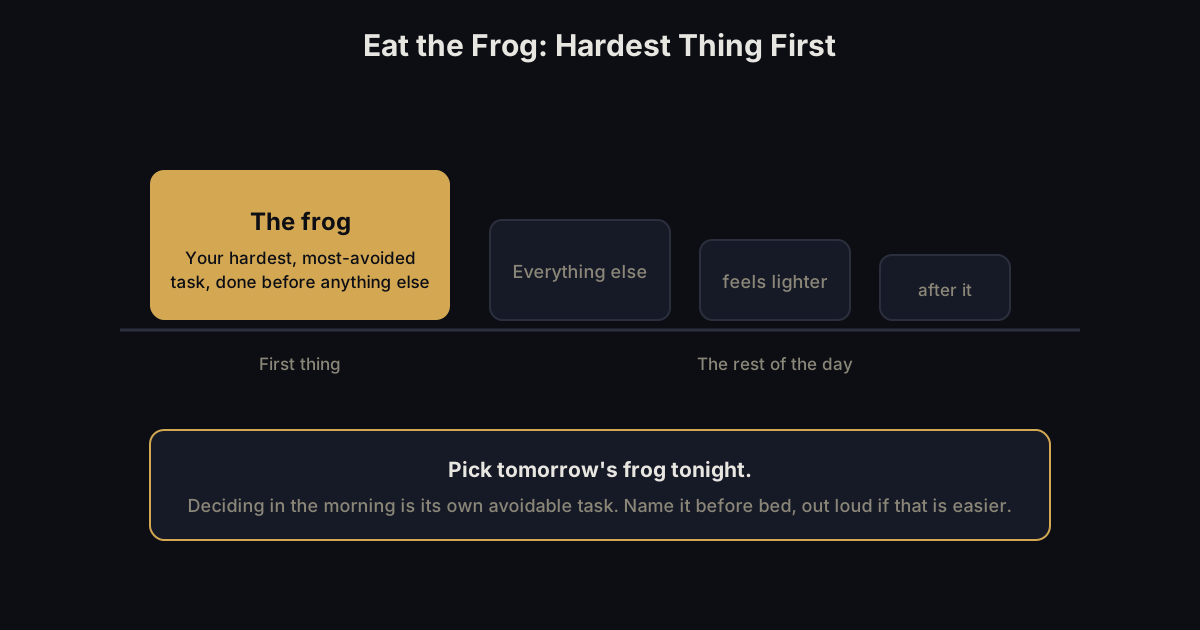
Eat the frog means doing your biggest, most important, most-avoided task first thing in the morning, before anything else gets a chance to eat the time or energy meant for it. In practice, the frog session is a deep work block that happens before the day's shallow work can claim the hours. The phrase comes from Brian Tracy's 2001 book, Eat That Frog! 21 Great Ways to Stop Procrastinating and Get More Done in Less Time. Your frog is not just any item on the list. It is, in Tracy's own words, "your biggest, most important task, the one you are most likely to procrastinate on."
The mechanics are plain. Pick your frog before you look at email or messages. Work on it alone, one task at a time, until it is done. Tracy's instruction is to "discipline yourself to begin immediately and then to persist until the task is complete." If you somehow have two frogs to eat in one day, his advice is to eat the ugliest one first, the corollary that shows up throughout the book.
Did Mark Twain really say to eat a live frog every morning?
No. The famous line reads: "If the first thing you do each morning is to eat a live frog, you can go through the day with the satisfaction of knowing that that is probably the worst thing that is going to happen to you all day long." Quote Investigator's dedicated debunking of the line found no substantive evidence Mark Twain ever said or wrote it, and traces it somewhere else entirely.
The saying originates with 18th-century French writer Nicolas Chamfort, who himself credited it to a Monsieur de Lassay. The original version, from around 1795, is about swallowing a toad each morning, not a frog, to protect yourself from the disgust of everything else the day might bring. The first known attachment of the quote to Mark Twain appears in print in 1988, seventy-eight years after Twain died in 1910.
The saying picked up a few costume changes on its way to Twain. Quote Investigator notes that novelist Emile Zola extended the metaphor with a live frog, not a toad, in 1896, which is likely where the animal swap happened. By 1976, a Seattle workplace sign was still carrying the older "eat a live toad" version. Somewhere after that, in a 1988 newspaper, someone finally hung the line on Twain, and it stuck.
Here is the delicious part. Brian Tracy's own site repeats the fake Twain quote on the very page that summarizes his method, the one the misattributed line is usually used to introduce. The person who popularized the method also repeats the myth about where its opening line came from. It is not just Tracy either: a widely upvoted post in a large productivity community, telling its own eat-the-frog success story, quoted the same fake Twain line without anyone in the thread flagging it. The method holds up fine without the quote. The quote just is not real.
How do you actually make eat-the-frog work?
The method's one real trick is choosing your frog the night before, not the morning of. Decide what tomorrow's frog is while you are still shutting down for the day, and there is no negotiation left to have at 7am, no ten minutes spent deciding while the coffee brews. This is the same capture-first move planning your day depends on generally: get the decision made before the day's noise starts, not during it.
The method itself takes one sentence to explain: do the hardest thing first. The actual work is building the discipline to do it every single day, which is exactly why Tracy leans on habit language rather than a trick, "begin immediately... persist until the task is complete." No app or hack replaces that part. What changes the odds is removing every excuse to delay the decision itself, which is what naming the frog the night before actually does.
The frog is also the reason a method like the Ivy Lee method works at all: ranking six tasks by true importance tends to put the ugliest one first anyway, so the two methods are really answering the same problem from different angles. If you plan your day with the 1-3-5 rule instead, your frog is simply the "1," the one big thing, with the mediums and smalls built around it rather than in front of it.
One honest caveat: if your frog is big enough to swallow the whole day, it is not one frog, it is several stacked on top of each other. Tracy's method is about working on one task at a time and persisting until it is complete, not about clearing something enormous in a single sitting. Treat the first finishable slice as today's frog, and let the rest queue up as tomorrow's.
Does eating the frog work with ADHD?
For a lot of ADHD brains, not as written, and a large community of ADHD adults says so plainly. The most upvoted reply on a large r/productivity thread about the method put the objection in one sentence: "ADHD friends: this advice is not for us. Blocking small tasks behind the one we're least likely to be able to initiate is how zero things happen today." Putting the hardest task first can mean the hardest task to start goes first, and task initiation is often the exact thing that is hard.
Other commenters in the same thread described making the method work for them anyway. One, who has ADHD herself, said she trained into it using a visual cue, moving a big rock aside each time she finished one. Another described a small-wins ladder instead: do one small, easy task first, then use the resulting momentum to tackle something bigger.
Neither approach is a medical claim, just what individual people report about their own brain. It lines up with what our ADHD productivity guide covers in more depth: standard advice assumes steady energy, and an ADHD brain often does not run that way. If frog-first genuinely stalls your whole morning, a small warm-up task before the frog is a reasonable trade, not a failure of discipline.
Where does InstantOwl fit into eating the frog?
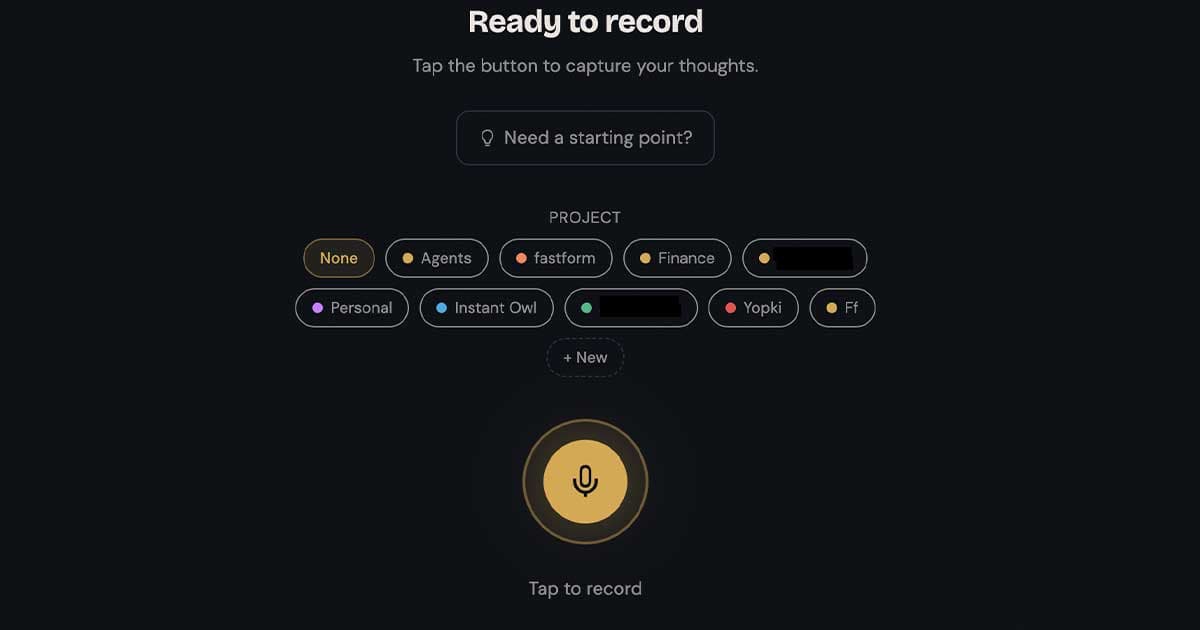
Full disclosure: InstantOwl is our product, and this blog belongs to it. The method's real ritual, picking tomorrow's frog tonight, is a capture moment, and talking is the fastest way to capture anything. Say it out loud during your evening shutdown: "tomorrow's frog is the pricing page rewrite, everything else waits." InstantOwl pulls that out as a task automatically, so tomorrow starts with the frog already named instead of ten minutes spent deciding again.
If the frog itself feels too big to start, talking through why it feels that way, out loud, tends to surface the actual first step faster than staring at it does. That is really the same fix as shrinking an oversized frog above, just spoken instead of typed. InstantOwl is currently free to use.
Related reading
- Ivy Lee method: a six-task ranking system that tends to put your frog at the top of the list anyway.
- The 1-3-5 rule: a daily structure where the frog becomes your one big task, with mediums and smalls built around it.
- How to plan your day: where the night-before capture habit behind eating the frog fits into a fuller daily plan.
- ADHD productivity: why standard advice, including eat-the-frog, does not land the same way for every brain.
Frequently asked questions
What is the eat-the-frog method?
Eat the frog means doing your biggest, most important, most-procrastinated task first thing in the morning, before anything else. It comes from Brian Tracy's 2001 book Eat That Frog! Tracy's rule is simple: pick your frog the night before, then work on it alone until it is done, before checking email or messages.
Did Mark Twain really say to eat a live frog every morning?
No. Quote Investigator found no evidence Twain ever said or wrote it. The saying traces to French writer Nicolas Chamfort around 1795, who credited it to a Monsieur de Lassay, and it was originally about swallowing a toad, not a frog. The first known attachment to Twain appears in print in 1988, 78 years after he died.
What if my frog takes all day?
Then it is not one frog, it is several stacked on top of each other. Break it into the first piece you can actually finish in a morning, and treat that piece as today's frog. Tracy's own version of the method is about starting and persisting on one task at a time, not about finishing something enormous in a single sitting.
Does eating the frog work with ADHD?
Not always, and a large community of ADHD adults says so directly: putting every other task behind the hardest one can mean nothing gets started at all. Others with ADHD describe training into the method with a visual cue or a small warm-up win first. There is no single answer, and this is community experience, not medical advice.
Written by
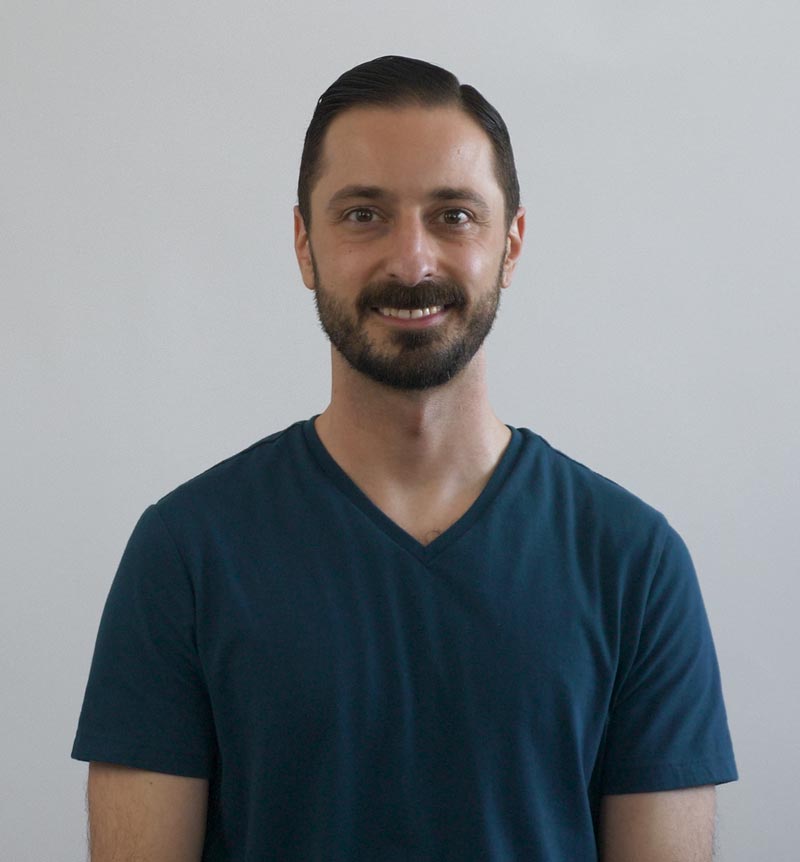
Jim BreeseJim Breese is the founder of InstantOwl. He's spent 15 years building companies, from an Airbnb host community he founded and exited to growth leadership at venture-backed SaaS startups. He built InstantOwl because his best ideas kept arriving mid-walk, out of order, and half-finished.
Stop losing good ideas.
InstantOwl turns a rambling voice note into a clean, organized document in moments. Just talk. We'll organize it.
 Try InstantOwl free