Dictation for Writers: The Honest Workflow (and What Happened to Dragon)
By Jim Breese · · Updated
Does dictation work for writers?
Yes, if you treat it as two separate jobs: draft by voice, edit by hand. That is the honest workflow every writer who actually dictates describes, and it directly answers the fear that shows up first in nearly every author forum thread on the topic. One novelist put it plainly in a long-running r/romanceauthors dictation thread: "my concern is wasting time getting used to something that requires a ton of editing afterward!" The honest answer is that editing afterward is real, not avoidable, and worth it anyway.
This piece covers that narrow slice: drafting prose by speaking it aloud. For the broader history of the word itself, classroom teaching, music dictation, and the taxonomy behind every tool on this page, see our full guide to what dictation is.
Kindlepreneur's own guide for authors, generally solid advice despite the pricing problem covered next, admits the editing point too: "Even the best software will not be 100% accurate. Dictation requires editing afterward to make sure everything is okay." It is also honest about the awkward start: "The first time you dictate, it can feel awkward. You say 'period' out loud. You stumble over a sentence. You realize you don't actually speak in clean paragraphs, which is mildly annoying but also kind of funny. But once you get used to it, dictation can be a huge help."
The learning curve resolves faster than most writers expect. One working author in the same r/romanceauthors thread described it directly: "when i started, i didn't realize how much i slurred my words... now, i get about 97% accuracy." That accuracy came from learning to speak more deliberately, not from switching software.
The payoff, once past that curve, is speed. A dictation-app developer active in the thread offered a working estimate, explicitly his own rather than a lab result: "most people land somewhere between 1500 and 3000 words an hour compared to maybe 800 typed." Drafting prose by phone has also gone mainstream enough to draw notice outside writer forums: Merriam-Webster's dictionary entry for "dictation" cites a June 2026 New Yorker profile in which a novelist "said that his writing process consists largely of speech-to-text dictation on an Android phone." Reporters work the same way from the field, turning voice notes into a story on deadline, covered in voice notes for journalists.
What happened to Dragon, and why do author guides still recommend it?
Dragon is no longer the tool most author guides describe, even though it is still the tool most of them recommend. Kindlepreneur's "Best Dictation Software for Authors" page, a leading authority page for this exact search, was updated June 16, 2026, and still lists Dragon Anywhere Mobile as a subscription you can buy today, at a stated monthly and annual price.
You cannot buy it. Per Dragon Anywhere's own App Store listing: "As of July 1, 2026, Dragon Anywhere Mobile is no longer available for sale. Purchasing new subscriptions and renewing existing subscriptions is no longer possible." The Google Play listing confirms the same thing in its own words: "Subscriptions to Dragon Anywhere Mobile are no longer available for purchase." Both notices arrived two weeks after Kindlepreneur's last update.
The desktop version survives, but not as a consumer product. Dragon Professional v16 is Windows-only, with no Mac version anywhere and no public price on its own page. The only way to buy it is a contact-sales enterprise process, the same thing Wirecutter found in its own June 2026 testing: Dragon Professional Anywhere "can be purchased only through an enterprise sales process, so it's more difficult and annoying to get than other dictation tools." The company itself has changed too: Dragon's product gateway now greets visitors with "Nuance is now Microsoft," per dragon.nuance.com.
A second widely read writers' listicle, The Write Practice's guide to speech-to-text apps for writers, has the same gap: no mention of Wispr Flow or Superwhisper anywhere, and a Dragon Anywhere recommendation at a subscription price that no longer works. Neither guide is wrong to trust; both are simply two weeks and a company reorganization out of date. What has not held up on either page is the tool list, not the underlying advice about editing afterward or starting free. Our roundup of Dragon alternatives fills that tool-list gap with software you can actually buy today, and our Dragon vs Wispr Flow comparison puts the old gold standard next to its closest modern successor.
What dictation software do authors actually use in 2026?
Kindlepreneur's own advice on where to start is correct: "For most authors, I'd start free. See whether dictation fits the way you think and write. If it does, then it may be worth investing in a stronger paid option." Apple Dictation, Windows Voice Access, Microsoft Word Dictate, and Google Docs voice typing are all free and already installed on whatever machine an author already owns. For the fuller rundown of every current pick, from free built-ins to paid upgrades, see our 2026 dictation software guide.
Each free option has a sourced catch worth knowing before you draft a chapter in it. Apple Dictation has no length limit, contrary to what several guides still claim; per Apple's own Mac support guide, "You can dictate text of any length without a timeout... Dictation stops automatically when no speech is detected for 30 seconds." That is a silence cutoff, not a manuscript cap, though it still interrupts a writer who pauses mid-sentence to think. Google Docs voice typing shuts off mid-dictation on its own, an issue writers in the r/romanceauthors thread confirmed independently.
Once free tools stop being enough, the two current leaders for prose dictation are Wispr Flow and Superwhisper, per Wirecutter's own June 2026 testing of 19 dictation tools. Our Wispr Flow review and Superwhisper's full pricing and privacy breakdown cover each in depth; the short version is that Wispr Flow is the more polished cloud option and Superwhisper is the offline, one-time-payment option.
Fiction has one buying criterion no productivity roundup mentions: custom vocabulary for names that do not exist anywhere else. A fantasy author in the r/romanceauthors thread put it exactly: Otter's "accuracy/fidelity is about 90%... but I also have a lot of unusual names." Test any tool on your own character and place names before committing to it, not on a stock paragraph the way most reviews do.
Wirecutter's own reviewers raise a caution every dictating writer should hold onto. AI cleanup features "can change your words into what the software believes you intended to say," at the risk, in their words, of "letting software put words in your mouth." For fiction specifically, that risk lands directly on voice, the one thing a novelist cannot afford software quietly rewriting.
Start with your journal, not your manuscript
The single best piece of dictation advice for writers came from another writer, not a company. The same working author in the r/romanceauthors thread who reached 97% accuracy gave this on-ramp: "try to use dictation on your journal instead. this way, you'll get used to speaking what you want to write. dictating my journal logs is how i started."
That advice holds up because it separates two skills that feel like one: speaking clean sentences, and drafting a scene. Practicing the first on low-stakes material, your own voice journal, means the awkward stumbling phase happens somewhere with no reader and no deadline attached. Some writers use a spoken version of morning pages for the same reason: a fixed, private block of talking before the day's real writing starts.
Once speaking clean sentences feels automatic, moving that same voice into a manuscript is a much smaller jump than starting there cold.
Plotting versus prose: two different jobs
Prose dictation and plotting are not the same task, and treating them as one is why dictation software frustrates writers during the thinking parts of the process. Dictation software wants your exact words, typed, because it assumes you already know the sentence you are about to say. Plotting a scene, working out a stuck chapter, or talking through a character's motivation is thinking out loud, and the useful output from that is organized notes, not a transcript of every false start.
Dictation tools are also built to punish pauses, which is exactly what thinking out loud requires. Apple Dictation cuts out after 30 seconds of silence, per its own guide above. Writers in the r/romanceauthors thread described the same problem with Dragon, whose microphone "automatically shuts off after a period without speaking," and with Google Docs voice typing dropping out mid-thought. None of that punishes a writer speaking finished sentences. All of it punishes a writer stopping to think.
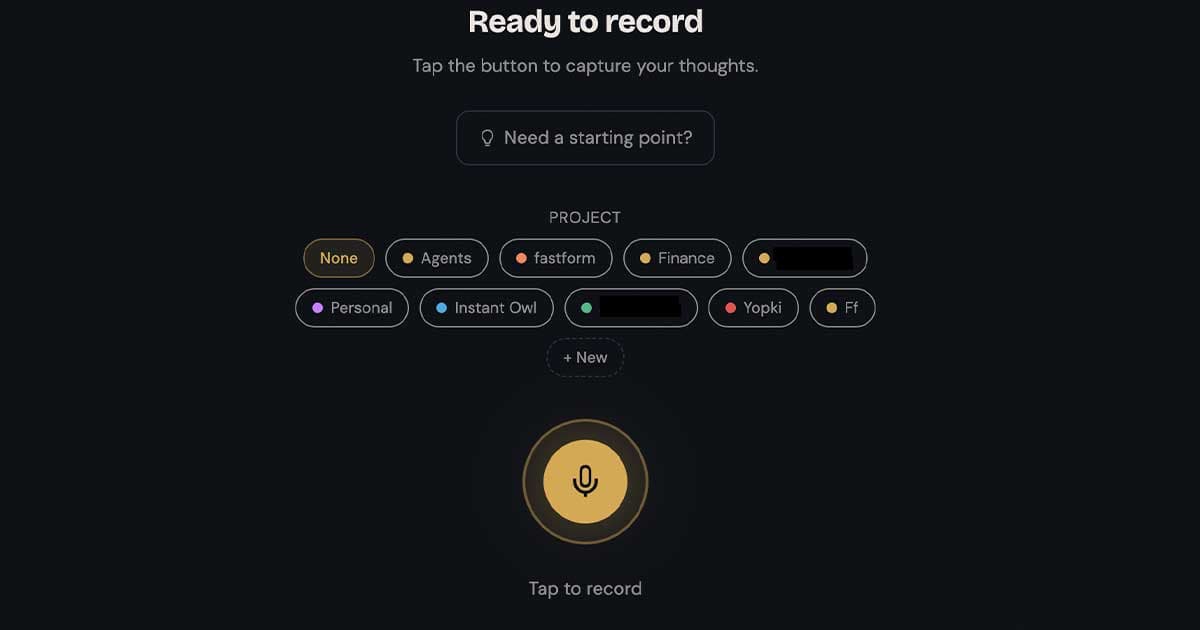
Full disclosure: InstantOwl is our product, and this blog belongs to it. InstantOwl is not manuscript dictation software, and it does not compete with Wispr Flow or Superwhisper for typing your exact prose onto a page. It is built for the other half of a writer's process: talking through a plot problem, a character, or a scene you have not written yet, and getting back organized notes instead of a wall of raw transcript to sort through yourself. Record-first capture like this does not cut you off for pausing to think.
The two fit together rather than compete. Draft your chapters with a dictation tool built for prose, and save the plotting, brainstorming, and stuck-chapter thinking for InstantOwl, which is currently free to use. It is the same journal-first instinct the r/romanceauthors thread recommends for learning to dictate, applied to the thinking side of writing a book instead of the typing side.
Related reading
- What is dictation: the historical arc and taxonomy behind every tool on this page.
- Dictation software: full 2026 rankings, per Wirecutter's testing, plus the built-in options.
- Superwhisper review: local processing, offline use, and lifetime pricing for the privacy-first pick.
Frequently asked questions
Can you write a book by dictation?
Yes. Writers who dictate describe a two-step workflow: draft the scene by speaking it, then edit by hand afterward. Kindlepreneur's own guide for authors admits the same thing: dictation requires editing afterward to make sure everything is okay, and that editing step is normal, not a sign the tool failed.
What dictation software do authors use?
Most authors start with what is already free: Apple Dictation, Windows Voice Access, Microsoft Word Dictate, or Google Docs voice typing. Writers who dictate whole chapters upgrade to Wispr Flow for polished cloud dictation or Superwhisper for local, offline processing and a one-time lifetime price, per Wirecutter's 2026 testing of both.
How fast is dictation compared to typing?
A dictation-app developer active in a long-running r/romanceauthors thread estimated that most people dictate somewhere between 1500 and 3000 words an hour, compared to maybe 800 words an hour typed. That is one developer's working estimate from observing users, not a controlled study, and actual speed depends heavily on how deliberately you speak.
Is Dragon still available for writers?
Not in the form most writers remember. Dragon Anywhere Mobile subscriptions ended July 1, 2026, per both the App Store and Google Play listings. Dragon Professional v16 still exists but is Windows-only, publishes no price, and sells only through a contact-sales enterprise process, per its own product page.
Written by
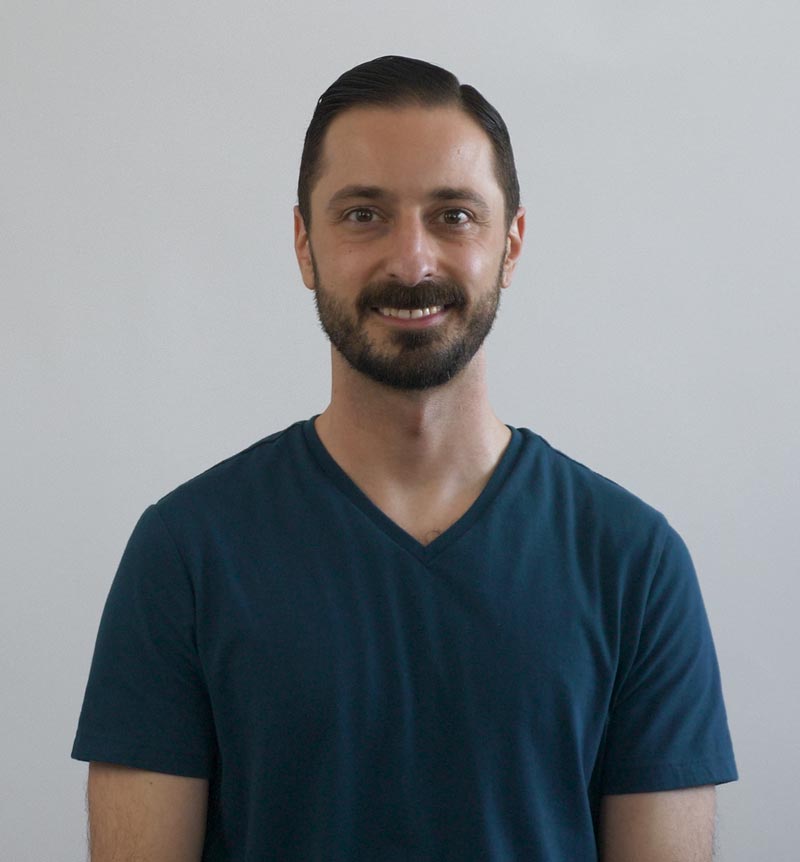
Jim BreeseJim Breese is the founder of InstantOwl. He's spent 15 years building companies, from an Airbnb host community he founded and exited to growth leadership at venture-backed SaaS startups. He built InstantOwl because his best ideas kept arriving mid-walk, out of order, and half-finished.
Stop losing good ideas.
InstantOwl turns a rambling voice note into a clean, organized document in moments. Just talk. We'll organize it.
 Try InstantOwl free