Voice Notes for Real Estate Agents: The Between-Showings Debrief That Saves Every Detail
By Jim Breese · · Updated
Why do real estate agents forget showing details?
Because by the third showing of the day, every kitchen starts to look like the last one. The buyer who loved the primary suite at the first house and the buyer who winced at the price at the second house start blurring into a single composite memory by the time you are back in the car for house four.
This is not a discipline problem. It is what happens to any detail-heavy day with no pause built in between stops. A real estate newsletter that covers AI workflows for agents has picked up on the same pattern: agents doing back-to-back showings lose the specifics unless they capture them between visits, while the details are still separated in memory. That newsletter frames its own version of this workflow as a way to give an agent something close to a photographic memory for a day that would otherwise blur together, though the specific method it recommends sits behind a paid subscription. The persona is real and worth solving for. This post gives you the complete, free version.
NexaLink, a personal-CRM tool built around this exact problem, frames the forgetting as inevitable rather than a discipline failure: in their telling, human memory is unreliable, and you lose names, details, and context over time not because you do not care but because the forgetting is inevitable. That is their own framing, not an independent study, but it matches what anyone who has done three showings before lunch already knows from experience. The buyer's face, their tone, the number they said out loud: all of it is sharpest in the first few minutes and gets fuzzier fast.
Is it safe to record voice notes while driving between showings?
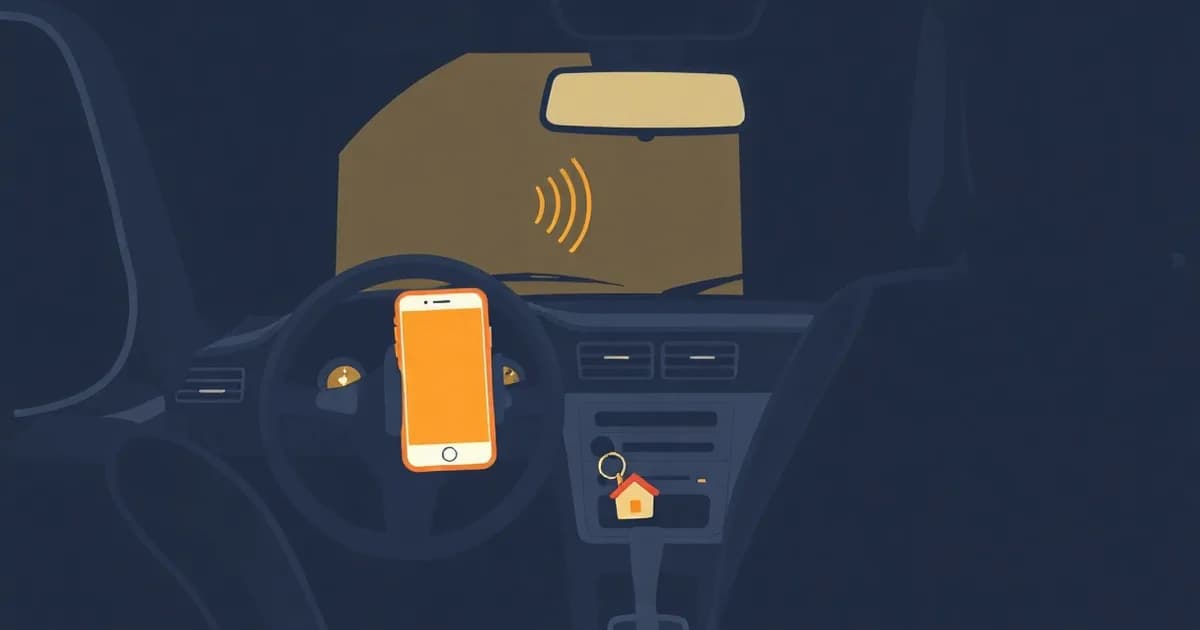
Only hands-free, and this matters enough to cover before anything else in this post. Use CarPlay or Android Auto voice recording, a wake-phrase assistant, or start recording before you pull out of the driveway. Keep your eyes on the road and both hands on the wheel the entire time.
Never unlock your phone, open an app, or type while the car is moving. If your car or phone is not set up for hands-free recording yet, the safe move is simple: park, record the debrief while stopped, then drive to the next showing. A thirty-second delay costs nothing. A phone in your hand at a stop sign is not worth the risk to save it.
Once hands-free recording is set up, the debrief becomes part of the drive itself instead of a separate task competing with it. That is the only version of this workflow worth building into your day.
What should you capture after each showing?
Five things, in whatever order they come out. First, the buyer's reaction room by room: what stopped them, what they walked past without comment, what they went back to look at twice. Second, any objections or price signals, spoken directly or implied, like a pause at a number or a comment about needing to think it over.
Third, anything worth passing along to the seller as feedback, framed the way you would actually say it to them. Fourth, any promise you made on the spot: sending comps, following up with an inspector's name, checking on a school district, confirming a closing timeline. Fifth, personal details the buyer mentioned that make the next follow-up feel like it came from a person who was listening, not a template: a kid starting kindergarten, a dog that needs a yard, a move tied to a specific date.
That fifth category is the one agents skip most often, and it is the one NexaLink's framing leans on hardest: a follow-up that references a buyer's actual life, days later, reads as personal. A follow-up with none of that reads as generic, even when the agent genuinely remembers the showing.
When should you record the showing debrief?
Right after the showing, in the car, before driving to the next one. Record shortly after the showing ends rather than during it: narrating over a live conversation with a buyer is distracting and awkward, and even a short spoken memo captures far more than you will recall unaided later. The value is in getting the details down while they are still sharp, not in making them sound polished.
Applied to showings, that means a 60-second habit: buyer walks to their car, you walk to yours, and before starting the engine you talk through what just happened while it is still sharp. Not a polished report, just the five things above said out loud in whatever order they come to mind. The value is in doing it every time, not in doing it well.
Skipping the debrief after an easy showing is the mistake worth naming directly. The showings that feel unremarkable in the moment are exactly the ones that vanish first, because nothing about them stood out enough to stick without being said out loud.
What do you turn a showing debrief into?
Four things, from one recording: a buyer follow-up email, a seller feedback note, a CRM entry, and a short list of to-dos. The debrief itself is raw and out of order. Turning it into each of those four things is a formatting job, not a remembering job, once the details are captured.
Here is a debrief template worth talking through out loud, in this order: buyer name and address shown, reaction by room, price or objection signal, one line of seller feedback, promises made with a deadline, and any personal detail worth remembering. Six prompts, sixty seconds, and every downstream document pulls from the same six answers.
The buyer follow-up email pulls from the reaction and the personal detail: what stood out to them, and one specific line that shows you were paying attention to them as a person, not running through a script. The seller feedback note pulls from the price signal and the room-by-room reaction, phrased the way you would say it to the seller's face. The CRM entry is the whole debrief condensed to a few lines instead of the generic "showed, no comment" that CRMs fill up with when typing feels like too much after a long day. The to-do list is every promise you made, turned into a checked-off task the same way any spoken promise becomes a to-do, each with the deadline attached, so a follow-up commitment does not quietly die the moment the next showing starts.
What tools do you need to capture a showing debrief?
The cheapest option costs nothing: your phone's built-in voice recorder, then typing up the four documents by hand later from what you said. That works, and plenty of agents already do a version of it. The cost shows up later, in the twenty minutes of relistening and typing per showing that a busy day rarely has room for.
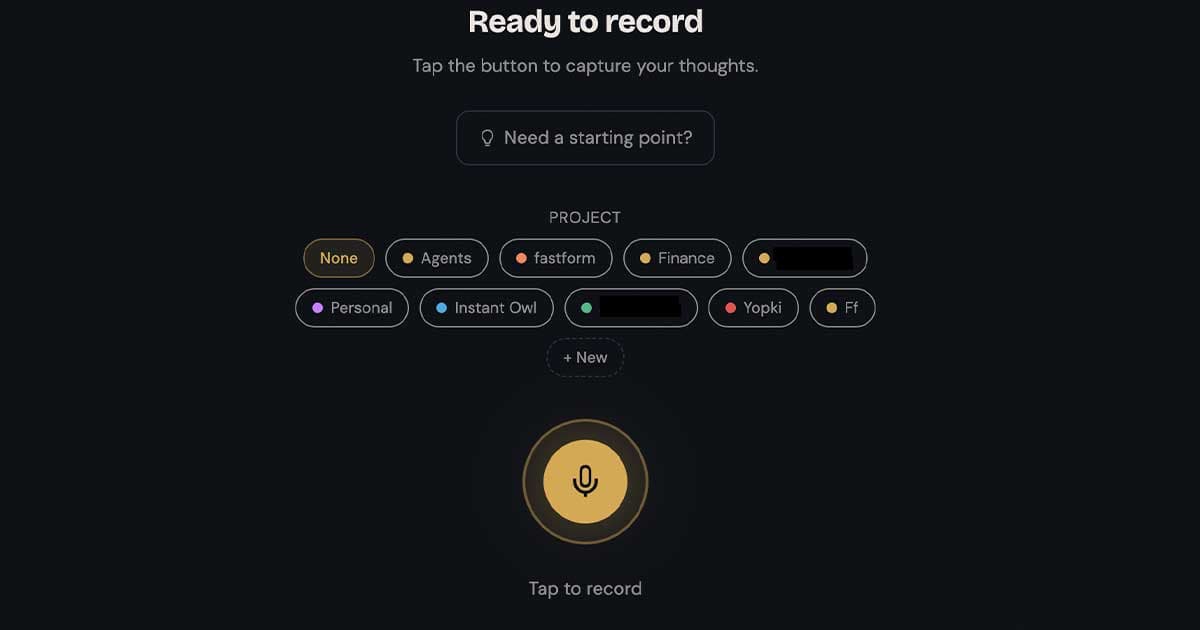
Full disclosure: InstantOwl is our product, and this blog belongs to it. InstantOwl is built for exactly this gap: record the 60-second debrief the way described above, and it comes back organized into the buyer follow-up draft, the seller feedback note, and the to-do list, instead of a transcript you still have to sort through yourself at the end of a long day. InstantOwl is currently free to use.
Either path works. The plain voice memo plus typing later is the honest zero-cost option, and it is a real one if a slower cleanup pass fits your schedule. The gap it leaves is the same one meeting notes runs into after every call: the capture step is fast, and the cleanup step is where the time actually goes.
Is sending voice notes to buyers and leads a different job?
Yes, and it is worth naming so you are not solving the wrong problem. Everything above is about capturing your own memory of a showing for yourself. Sending a voice note directly to a buyer or lead, as a prospecting or follow-up touch they listen to, is a different skill with its own rules on length, tone, and timing. Our voice notes for sales post covers that sending playbook in full, including how it differs from the after-call capture habit this post is about.
Related reading
- Voice notes for sales: the playbook for sending voice notes to prospects, as its own separate skill.
- How to take meeting notes: the same capture-then-cleanup pattern, applied to calls instead of showings.
- Voice to-do lists compared: every real way to turn a spoken promise into a task that does not get lost.
Frequently asked questions
How do real estate agents keep track of showings?
The reliable method is a short spoken debrief recorded right after each showing, before driving to the next one, covering buyer reactions, objections, price signals, and any promises made. Typed notes on a phone in a driveway get rushed or skipped once a fourth showing is running late.
What should I record after a showing?
Cover five things in under a minute: the buyer's reaction room by room, any objections or price signals they raised, feedback worth passing to the seller, follow-up promises you made, and any personal details the buyer mentioned, like kids, schools, or a pet.
Is it safe to record voice notes while driving?
Only hands-free. Use CarPlay or Android Auto voice recording, a wake-phrase assistant, or hit record before pulling out of the driveway. Never unlock, hold, or type on a phone while the car is moving. If a hands-free option is not set up yet, park first and record, then drive.
How do I write seller feedback after a showing?
Speak it while it is fresh, right after the showing: what the buyer liked, what gave them pause, and how the price landed, in plain language you would say to the seller directly. Turning that spoken debrief into a written feedback note is a formatting job, not a memory job, if you capture it immediately.

Written by
Jim BreeseJim Breese is the founder of InstantOwl. He's spent 15 years building companies, from an Airbnb host community he founded and exited to growth leadership at venture-backed SaaS startups. He built InstantOwl because his best ideas kept arriving mid-walk, out of order, and half-finished.
Stop losing good ideas.
InstantOwl turns a rambling voice note into a clean, organized document in moments. Just talk. We'll organize it.
 Try InstantOwl free